How to Use Mood Tracking for Stress and Sleep: The Ultimate Guide
Introduction
How to use mood tracking for stress and sleep is a practical question for anyone who wants calmer days and more restorative nights. By recording emotions, triggers, and bedtime routines, you can spot patterns that fuel tension and disrupt rest. This guide shows you step-by-step how a daily mood log can become a stress reduction journal and a tool to improve sleep with journaling, all while keeping the process simple and evidence-based.

How Mood Tracking Lowers Stress Levels
Mood tracking lowers stress by turning vague feelings into concrete data you can act on. When you note your emotional state each morning or evening, you create a feedback loop that highlights stress spikes before they become overwhelming.
- Identify triggers - A quick entry that tags moments of frustration (e.g., “deadline pressure”) reveals recurring sources.
- Measure intensity - Using a 1-10 scale lets you see whether a trigger is a minor annoyance or a major strain.
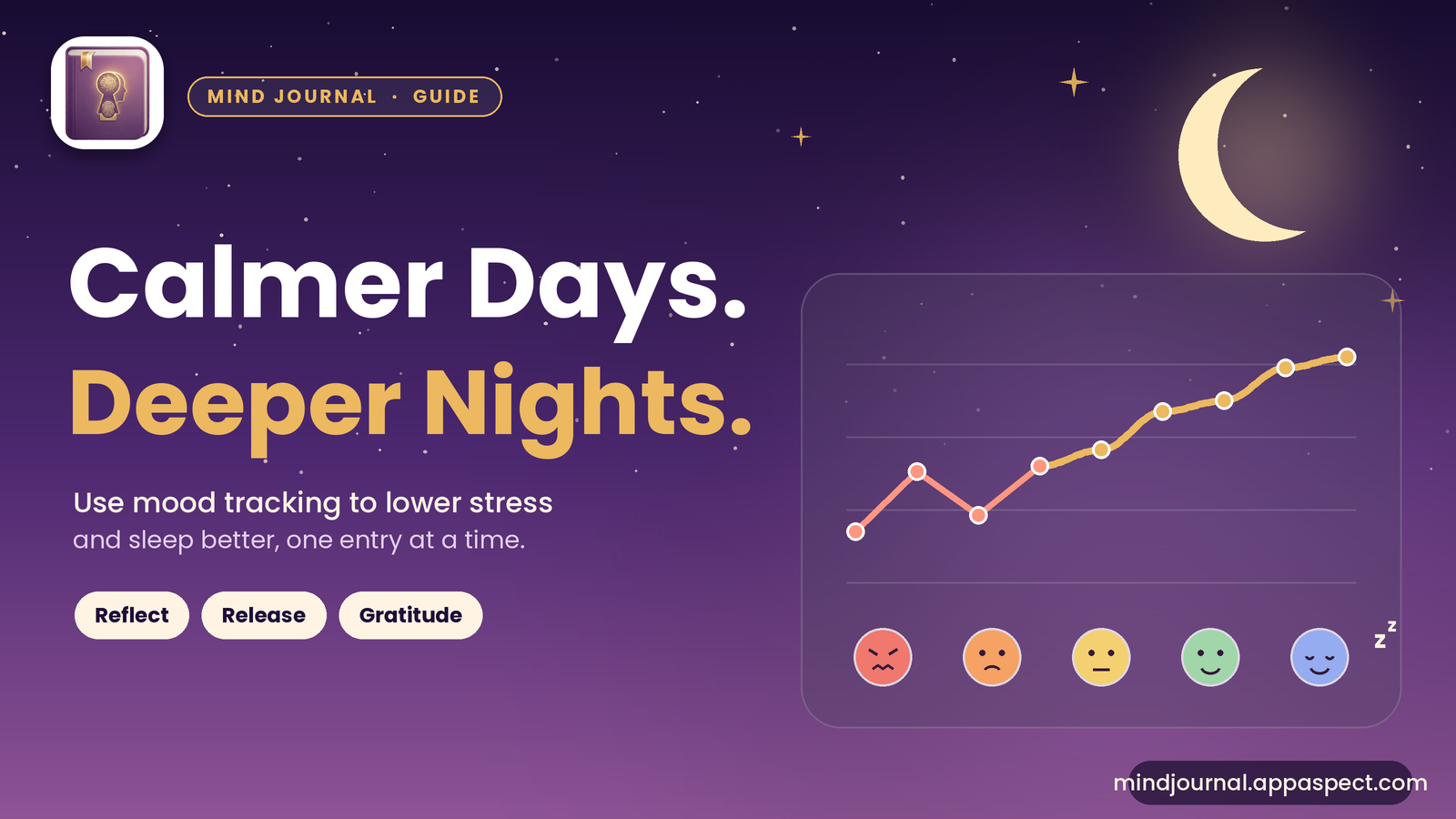
- Observe trends - Weekly charts make it easy to spot days where stress consistently peaks, such as Mondays after weekend downtime.
[!TIP] Review your mood entries every Sunday. A 10-minute glance at the week’s chart often uncovers hidden stressors you missed in the moment.
With this insight, you can apply stress management techniques like brief breathing exercises or a short walk precisely when they’re needed. The act of logging itself is calming; it forces you to pause, label, and externalize feelings instead of ruminating internally.
Using Journal Prompts to Improve Sleep Quality
The link between a restless mind and poor sleep is well documented. Guided prompts give your brain a gentle direction, turning bedtime into a structured wind-down rather than a mental free-for-all.
Three prompt categories work best for sleep:
- Reflection - “What three things went well today?” Shifts focus to positive events, reducing anxiety-fueling negativity.
- Release - “Write down one lingering worry and then list one small step you could take tomorrow.” This externalizes worry and creates a sense of agency.
- Gratitude - “Name one person you appreciate and why.” Gratitude activates the parasympathetic nervous system, which promotes relaxation.
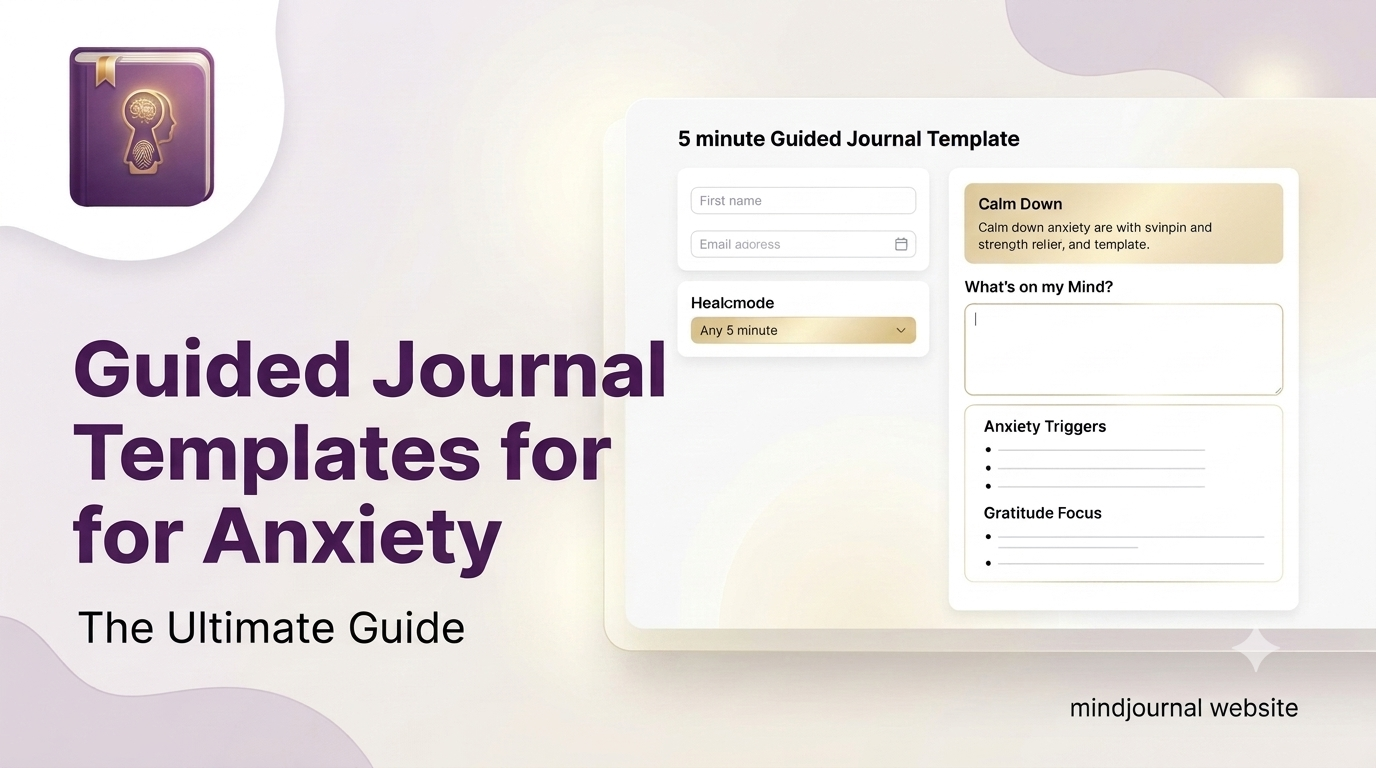
When you pair these prompts with the Mind Journal - Daily Journal App, you benefit from its guided journal templates that already include sleep-focused sections. The app’s private, organized space ensures you can revisit past entries without clutter, reinforcing the habit of nightly reflection.
[!NOTE] Consistency beats intensity. A five-minute prompt before lights out is more effective than a lengthy session once a month.
Integrating Mood Charts with Daily Habits for Better Rest
A mood chart is only as useful as the habits you connect to it. By aligning daily habit tracking with your emotional data, you create a roadmap that leads directly to better rest.
Step-by-step integration:
- Select core habits - Choose 3-4 actions that influence sleep, such as “no screens after 9 pm,” “30-minute walk,” or “meditation.”
- Log habit completion - In the same entry where you record mood, tick off each habit. The app’s habit tracker keeps this seamless.
- Correlate with mood scores - After two weeks, compare nights when all habits were followed against mood ratings. You’ll often see higher calmness scores and shorter sleep latency.
- Adjust based on data - If a habit consistently coincides with lower stress, prioritize it; if another shows no impact, consider swapping it out.
A simple visual-color-coded squares for each habit beside a mood line graph-makes the correlation obvious at a glance. Over time, the chart becomes a personal sleep-optimization dashboard, guiding you toward the routines that truly work for you.
Science Behind Mood Journaling and Stress Reduction
Research confirms that mindful self-recording rewires the brain’s stress pathways. Neuroimaging studies show that regular journaling activates the prefrontal cortex, the region responsible for executive control, while dampening activity in the amygdala, the fear center.
Key findings relevant to mood tracking:
- Stress and sleep correlation - Elevated cortisol levels, a hallmark of chronic stress, delay the onset of REM sleep. By lowering perceived stress through journaling, cortisol spikes diminish, allowing smoother sleep cycles.
- Guided journaling for sleep - Structured prompts reduce rumination, a cognitive process linked to insomnia. When thoughts are organized on paper, the brain spends less energy looping over worries at night.
- Daily mood log benefits - Consistent logging improves emotional granularity, meaning you become better at distinguishing “irritated” from “overwhelmed.” This precision enables targeted coping strategies, which in turn lower overall stress load.
These mechanisms explain why a simple habit-writing a few lines each day-can have measurable effects on both daytime anxiety and nighttime recovery.
Key Takeaways
- Start simple: Record mood once a day using a 1-10 scale and a brief note.
- Use prompts: Adopt reflection, release, and gratitude prompts before bedtime.
- Track habits: Pair mood entries with three sleep-supporting habits and review the correlation weekly.
- Leverage the app: The Mind Journal - Daily Journal App provides private, organized space for both mood charts and habit tracking.
- Review regularly: A weekly glance at your data reveals patterns you can act on immediately.
Conclusion
How to use mood tracking for stress and sleep boils down to turning subjective feelings into objective data, then aligning that data with purposeful habits. By consistently logging emotions, employing targeted journal prompts, and visualizing the link between mood and nightly routines, you create a feedback system that naturally reduces stress and improves sleep quality. The result is a calmer mind during the day and deeper, more restorative rest at night.
Call to Action with How To Use Mood
Ready to start using mood tracking for stress and sleep? Mind Journal - Daily Journal App offers guided templates, habit tracking, and a private space to build your daily mood log. Begin your journey toward calmer days and better nights by signing up today: https://mindjournal.appaspect.com/
Further Reading
- Stress (medicine)) - Overview of physiological stress responses.
- Sleep hygiene - Evidence-based practices for better sleep.
- Cognitive behavioral therapy for insomnia - Professional guidance on therapeutic techniques.
- National Institute of Mental Health - Stress - Government resource on stress management.
- Harvard Medical School - The power of journaling - Research on mental health benefits of writing.